


















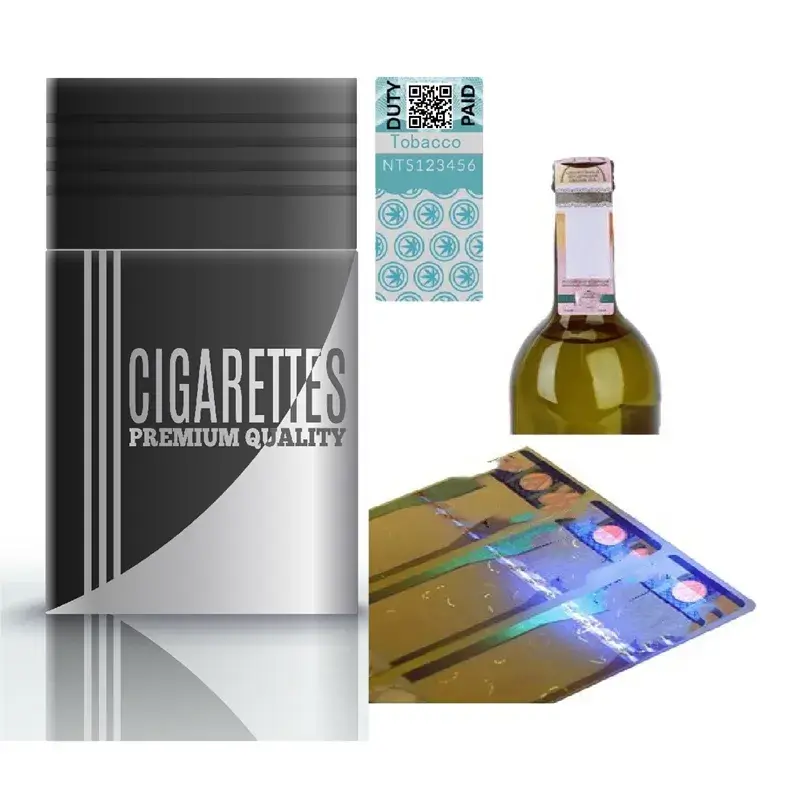
De Alcohol Tax Label Stamp is vital to the alcoholic beverages industry. More than just a label on a bottle, it is a commitment to comply with taxes, affirm product authenticity and allow proper distribution. The governments of countries worldwide require that alcohol makers and distributors place tax stamps as proof that the necessary excise duties have been paid.
For producers, importers and distributors, understanding how an alcohol tax label stamp works is important. Thanks to these labels, authorities can monitor production, prevent tax evasion, and protect consumers from counterfeit products.
Contemporary alcoholic beverage brands are realizing that the application of tax labels on their packaging could help in product differentiation. It could also assist in tracking within the supply chain and maintaining consistency in packaging. Firms like HKKAYU offer specialized labelling solutions to facilitate regulatory and operational needs.
The Reason Why Alcohol Tax Label Stamps Are Required
The area of beverage production to which lawmakers have applied rules has alcohol. To keep track of alcohol sales and collect the proper taxes from the sale, governments set in place a strong mechanism. The Alcohol Tax Label Stamp is a verifiable instrument for proof of tax payment.
Apart from taxing, these labels have many other purposes.
Essential roles of an Alcohol Tax Label Stamp
- The product has been verified for legal sale.
- Confirmation that the relevant alcohol duties and taxes have been paid.
- Monitoring of production batches and distribution channels.
- Stopping counterfeit liquor from entering the market.
- Identification of product origin and authorization for regulation.
These functions enable regulators to keep an eye on the alcoholic beverage supply chain, allowing consumers to have the assurance of the veracity and legality of the products they choose.
Alcohol products may face restrictions, confiscation or a penalty without proper and appropriate application of Alcohol Tax Label Stamp in many places.
What is the alcohol tax label stamp?
For the deployment of stamps for tax in the alcohol industry, a mix of coordination between manufacturers, government More.
Agencies and packaging suppliers is involved
Normally, liquor manufacturers must secure approved stamps or labels before their products can reach the shelves of retailers. Security features, serial numbers, and government indicators may be included.
Generally, how does the system work? Here is a simplified overview.
| Step | Process | Purpose |
| Toepassing | Manufacturer requests tax stamps from authorities | Ensures legal authorization |
| Betaling | Excise taxes are paid for production volume | Confirms duty compliance |
| Afdrukken | Authorized label or stamp is produced | Adds official identification |
| Toepassing | Stamp applied to bottle or packaging | Validates product legality |
| Verification | Authorities can inspect stamps | Prevents illegal distribution |
Governments maintain oversight of the production of alcohol using this system while ensuring a fair tax on all alcohol.
HKKAYU or any such supplier helps in the production of labelling materials that are tough and compliant.
Tax labels may feature the following design and security characteristics
A stamp on an Alcohol Tax label must meet style and security requirements. Because these labels authenticate tax compliance, their difficult duplication or stress is a must-have feature.
Often, manufacturers and regulatory agencies use modern printers to verify authenticity.
Typical security features found on tax stamps
- Tracking is possible because of unique serial number.
- Materials that indicate tampering.
- Microprinting patterns or hidden designs.
- There are holographic or reflective designs.
- Adhesives that are designed not to come off.
Inspectors can now easily validate real goods and identify false models because to these attributes.
High-end quality labeling manufacturers are more focused on making sure that they have great printing and secure materials so that stamps won’t peel off while in transit or in retail display.
Selecting the Appropriate Supplier of Wine Stamp Labels
Alcohol brands must choose a dependable source for regulatory labeling of alcohol and its distribution. Problems with compliance may result from a poorly printed or incorrectly formatted Alcohol Tax Label Stamp.
Partnering with experienced labeling suppliers helps ensure that labels fulfil requirements for legal regulations.
The factors to select a supplier
- Abide by local laws for alcohol labeling.
- Substantial quality and firm carriers of cargo or goods.
- Clear identification with high quality printing.
- There are security features to prevent duplication.
- You simply cannot find a better CAD.
Organizations like HKKAYU offer customized label solutions for alcohol products. The labels comply and look like they were professionally done.
Reputable suppliers also support enterprises in personalizing custom labels that fit custom bottle shapes, packaging’s designs and regulations.
Best Practices for Applying Alcohol Tax Label Stamps
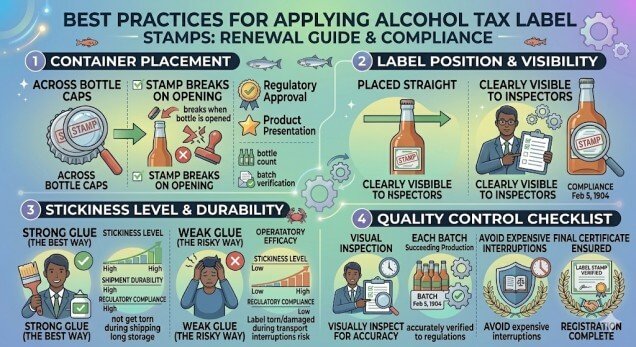
Proper use of Alcohol Tax Label Stamp is key to regulatory approval as well as product presentation. He set off on his voyage on February 5, 1904.
Container placement
The majority of the regulations require tax stamps to be placed across bottle caps or openings such that the stamp breaks when the bottle is opened.
Label position
Stamps must placed straight and clearly visible to the inspectors.
Stickiness level
Using strong glue helps to make sure that the label will not get torn during shipping and storage.
Quality control
Each batch of the succeeding production should be visually inspected for accuracy of the stamp.
Manufacturers can remain compliant to the regulations and avoid expensive interruptions with following these practices.
Perspective On Alcohol Tax Stamp Systems Of Future
Alcohol tax labeling systems keep evolving further with technology. Various governments are using digital tracking technologies to enhance oversight of alcohol production and sales.
Newer inventions includes
- Technology utilized here is Digital Tax Stamp.
- Tracking Alcohol Using Blockchain Technology
- Connected supply chain databases with smart labels.
- Counterfeit checks with superior verification technologies.
Through this advancement, regulators will be able to keep track of the products more efficiently and will also help legitimate alcohol brands protect their product from fraud.
Modern labeling solutions help manufacturers and distributors to comply with regulations and enhance brand crediblity.
Conclusie
Alcohol tax label stamps confirm excise tax payment and help prevent counterfeit alcohol. hkkayu supports proper labeling and compliance in the U.S. alcohol distribution system.
Knowing the role of tax stamps in the production and distribution of alcohol is key; it encompasses the security features, regulatory requirements, correct usage, etc.
When working with experienced labeling providers like HKKAYU, the packaging can be ensured as legal, professional, and trustworthy.
As regulatory frameworks evolve, and digital technologies become more widespread, the need for precise and secure alcohol tax labeling will only gain importance.