




















Selos de segurança e fiscais
Security Labels & Tax Stamps: Technologies, Verification Methods and Print Options Compared
Mar
Etiquetas de segurança e selos fiscais - Guia de comparação B2B
Security Labels & Tax Stamps: Technologies, Verification Methods and Print Options Compared
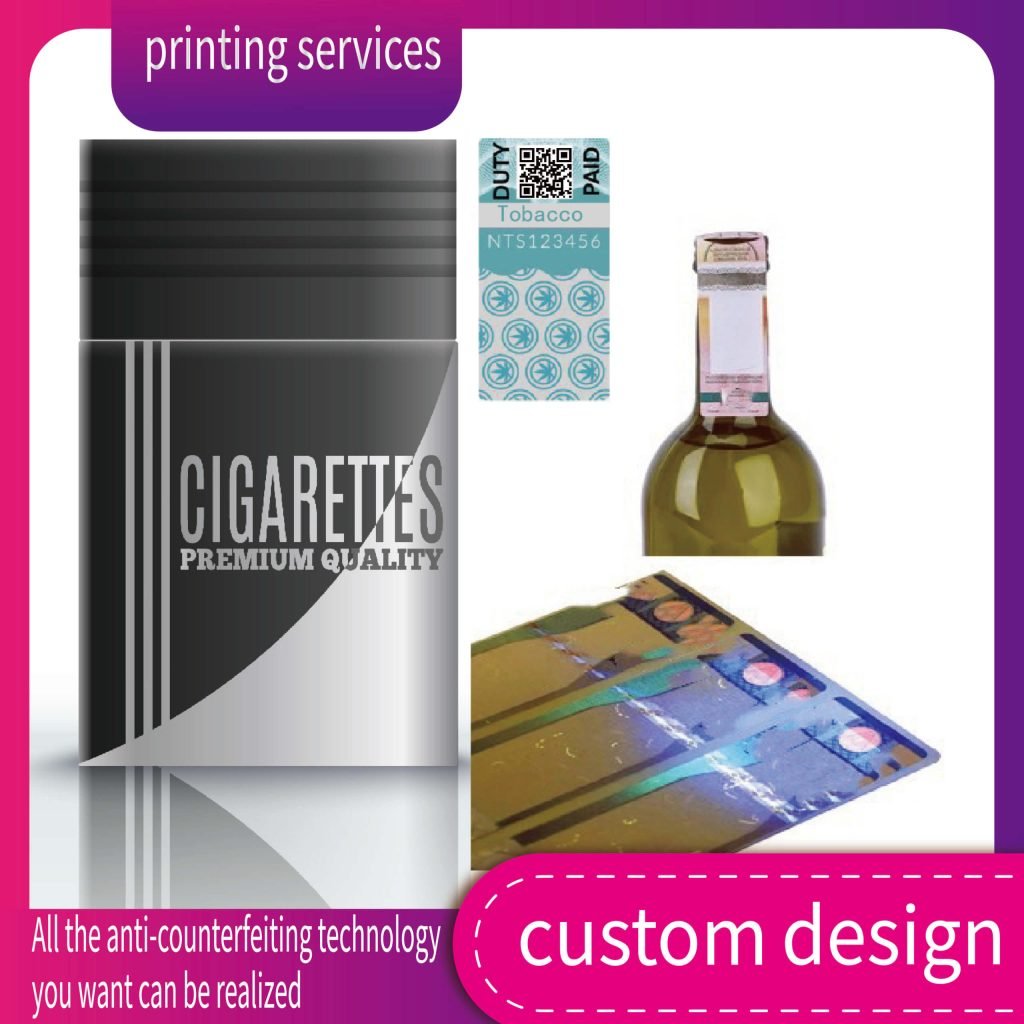
Security labels and tax stamps verification methods makes more sense when the trade-offs are compared in practical terms rather than design language alone. That lets compliance teams, regulated brands and authentication programs evaluate verification method, variable data, tamper evidence and field inspection…
Índice
Saltar para a secção pretendida
- Como os materiais e os acabamentos alteram as soluções de compromisso
- Quando uma opção faz mais sentido do que outra
- Perguntas que tornam as comparações de fornecedores mais úteis
- Escolher a opção que pode ser repetida com confiança
- Um quadro prático para a decisão final
- Onde as comparações comerciais muitas vezes dão errado
Foco de leitura B2B
O que um comprador, chefe de compras ou proprietário do projeto deve confirmar
- Compare o valor total do trabalho e não apenas o preço inicial: o material, o acabamento, a repetibilidade e a velocidade de aprovação são importantes.
- Analisar o MOQ, as implicações das ferramentas, o prazo de entrega e a consistência da reordenação ao comparar opções.
- Certifique-se de que a opção escolhida continua a satisfazer simultaneamente os requisitos de aquisição, produção e mercado.
Security Labels And Tax Stamps Verification Methods: how print, overt and digital options change the result
For Security labels and tax stamps verification methods, the most productive briefs usually confirm verification method, variable data, tamper evidence and field inspection flow before artwork and pricing are finalized so clearer compliance planning, stronger authentication and steadier implementation become easier to protect.
Security Labels And Tax Stamps Verification Methods: what buyers usually confirm next
Security labels and tax stamps verification methods works best when the brief connects the product requirement to materials, finish direction, artwork status and approval timing before quotation begins.
- Match Security labels and tax stamps verification methods to the required inspection method, tamper evidence and variable-data logic.
- Esclarecer a serialização, as caraterísticas de sobreposição e as etapas de verificação no terreno antes da implementação.
- Confirm rollout scope, artwork control and market requirements for Security labels and tax stamps verification methods.
Procurar opções de impressão de segurança•Pedir um orçamento
That is why the same product name can generate very different quotes. One supplier may optimize for cost, another for a more premium tactile finish, and another for fewer production risks over time. Buyers in regulated products, duty-paid goods, brand authentication, and warehouse verification should look for the option that supports the intended outcome rather than assuming that a more elaborate sample is automatically better. A simpler but better-matched construction can sometimes outperform a richer-looking one once the product reaches the market.
Como os materiais e os acabamentos alteram as soluções de compromisso
O material é frequentemente a primeira grande divisão. Dependendo do briefing, a lista de seleção realista pode incluir materiais invioláveis, películas destrutíveis, papel de segurança e folha holográfica. Cada um deles altera o toque do produto, a reprodução do trabalho artístico e o comportamento da peça acabada no ambiente que irá enfrentar. A mesma lógica aplica-se ao acabamento. Escolhas como microtexto, guilloches, elementos ocultos e numeração consecutiva podem melhorar o impacto visual ou o valor percebido, mas também afectam o tempo de produção, as ferramentas, os mínimos e a consistência a longo prazo. O percurso mais adequado é normalmente aquele que suporta o trabalho de forma mais eficiente e não aquele que tem a lista de caraterísticas mais longa.
Na comparação comercial, o contexto é mais importante do que o número de elementos. Por exemplo, a combinação mais atraente de stocks invioláveis, películas destrutíveis, papel de segurança e folha holográfica com acabamentos como microtexto, guilloches, elementos ocultos e numeração consecutiva pode não ser a mais sensata se o produto tiver de enfrentar um manuseamento exigente ou um prazo de produção apertado. Por conseguinte, uma comparação útil consiste em saber o que o cliente vai realmente ver, o que a equipa de operações vai realmente manusear e qual a variação que a marca pode tolerar entre encomendas repetidas.
Quando uma opção faz mais sentido do que outra
Use case changes the ranking of the options. Buyers in regulated products, duty-paid goods, brand authentication, and warehouse verification may not prioritize the same things, even when they use similar-looking packaging. One project may value speed and line efficiency, while another needs a more premium tactile finish or more reliable response to verification method, counterfeit risk level, tamper evidence, and serialization depth. The comparison only becomes meaningful when the team decides which trade-offs are acceptable and which ones are not. That decision is what turns a price comparison into a real buying decision.
One brand may prioritize a distinctive premium impression, while another needs dependable throughput and tighter control across multiple SKUs. That difference changes the commercial answer even if both companies are nominally buying security labels & tax stamps. Suppliers that understand the real operating priorities are usually better positioned to recommend a route that feels commercially sound rather than merely decorative.
Ler o custo e o prazo de entrega no contexto correto
Cost and timing should be read carefully in context. For security labels and tax stamps, a low initial price can stop looking attractive if the specification creates slow application, poor durability or frequent rework. Likewise, a more premium option can be justified when it strengthens the final result enough to reduce waste, support the brand position or make repeat ordering simpler. Commercial comparison is at its best when it tests the lifetime usefulness of the specification, not just the opening quote.
Comercialmente, a escolha mais forte é frequentemente a que protege a margem mais tarde. Uma especificação que reduza o desperdício, encurte os ciclos de aprovação ou apoie uma encomenda repetida mais consistente pode justificar-se mesmo quando o preço inicial não é o mais baixo. Os compradores que comparam opções devem, portanto, testar o valor em relação ao ciclo de vida completo do projeto e não apenas em relação à primeira fatura.
Perguntas que tornam as comparações de fornecedores mais úteis
Os compradores podem tornar a comparação mais fiável fazendo as mesmas perguntas fundamentais a todos os fornecedores: como é escolhido o material, que tolerâncias são mais importantes, que riscos de acabamento devem ser assinalados antecipadamente e que pontos de aprovação protegerão o resultado final? Para projectos que também necessitem de espaço para serialização, suporte de pista de auditoria, rastreabilidade e revisão regulamentar de arte-final, o planeamento da arte-final e o planeamento da produção têm de ser comparados em conjunto. Um fornecedor que aborde estas questões de forma clara oferece frequentemente mais valor do que aquele que apenas oferece o valor inicial mais barato.
Outro ponto de comparação importante é a qualidade das perguntas do fornecedor. Se um fornecedor fizer perguntas sobre os passos de aprovação, as condições da superfície, os pormenores variáveis, a rota de expedição ou o ambiente de aplicação, isso indica normalmente uma compreensão mais fundamentada do risco de produção. Estas conversas podem revelar mais sobre a fiabilidade futura do que apenas uma amostra.
Escolher a opção que pode ser repetida com confiança
The most useful outcome of a comparison is not simply selecting the most impressive sample. It is reaching a specification that matches the real job, suits the brand and can be repeated without confusion. For buyers evaluating security labels and tax stamps, that usually means shortlisting the options that best support stronger product authentication, better track-and-trace planning, more controlled distribution, and clearer security-layer selection, then choosing the one that is easiest to justify operationally as well as visually.
When all of those points are weighed together, the commercial decision becomes less about guessing which option is best and more about confirming which one creates the fewest conflicts between brand goals, production reality and long-term purchasing discipline. That is the route most likely to preserve stronger product authentication, better track-and-trace planning, more controlled distribution, and clearer security-layer selection over repeated orders.
Um quadro prático para a decisão final
The easiest way to choose between options is to rank them against the job they must do, not against the number of features they offer. A practical framework compares appearance, performance, ease of approval, repeatability and the operational consequences of each route. When the shortlist is tested against those priorities, the decision on security labels & tax stamps usually becomes more defensible internally and easier to repeat later.
Onde as comparações comerciais muitas vezes dão errado
Commercial comparison breaks down when buyers compare unlike-for-like offers or accept vague assumptions on critical points such as material, finish, tolerances or approval scope. For security labels and tax stamps, that can make one quote appear cheaper or faster even though it is based on a lighter specification than the others. The more carefully the team standardizes the brief across suppliers, the easier it becomes to see which offer genuinely fits the job for compliance teams, regulated-product brands, tax-mark program suppliers, and importers rather than which one simply looks best at first glance.
O que muda quando o projeto tem de ser repetido
Many buying decisions feel easier when the team looks beyond the first run. The best specification is not only the one that solves today’s problem; it is the one that can still be produced consistently when quantities change, new SKUs are added or another market version is introduced. For security labels and tax stamps, repeatability depends on clear artwork control, stable material choices, realistic finishing expectations and a supplier conversation grounded in actual production requirements. That longer view helps turn a one-time order into a packaging standard that is easier to manage over time.
Próxima etapa prática
Readers who have narrowed the direction can use the next conversation with HKKAYU more effectively by sharing dimensions, quantity, artwork status and the conditions the finished piece must handle. For security labels and tax stamps, a supplier discussion becomes far more productive once the non-negotiable details are clear. That is the point where the project can move from general research into a brief that is specific enough to quote, sample and produce with confidence. A better brief not only improves the first order; it also makes repeat ordering much simpler once the project begins to scale. It also gives internal stakeholders a clearer basis for sign-off before materials, artwork and timing are committed. That combination of clarity, repeatability and easier approval is usually what turns research into a project that can be executed with confidence.
Produtos relevantes
Produtos que este guia ajuda a explicar
Utilize estas opções de produtos para passar da investigação para formatos, estruturas e opções de componentes reais associados ao guia.
Opções ligadas
Opções comerciais ligadas a este guia
Estas opções interligadas mantêm o guia ligado às categorias de produtos relacionadas e às principais escolhas comerciais que os compradores normalmente analisam antes de efectuarem uma consulta.
Perguntas mais frequentes
What is the difference between a security label and a tax stamp?
A security label is usually designed primarily for authentication, tamper evidence or brand protection, while a tax stamp often serves a duty-marking or regulatory-control function. In many real projects, both purposes overlap.
Do all security labels need hidden features?
Not always. Some projects rely on overt features that field teams can inspect quickly, while others layer overt, covert and serialized elements together depending on the risk profile.
Can one label include both authentication and tax functions?
Yes. Combined solutions are possible when the artwork, variable data and verification workflow are designed around the regulatory and brand-protection objectives together.
Guias do comprador
Mais guias do comprador na mesma família de produtos
Continue a comparar especificações, detalhes de aprovação e escolhas de produtos adjacentes com estes recursos relacionados.
Etiquetas de segurança e selos fiscais
Pronto para transformar o briefing num próximo passo prático?
Partilhe as principais dimensões, quantidade, estado da arte e destino de entrega e a HKKAYU pode rever o trabalho tendo em conta a realidade da produção.
O que normalmente ajuda primeiro
Enviar um resumo inicial de limpeza
- Mercado-alvo, nível de rastreabilidade e objectivos anti-contrafação.
- Método de verificação, serialização ou requisitos de controlo.
- Plano de aprovação do trabalho artístico, banda de quantidades e calendário de entrega.
