




















Verpakkingsdozen op maat
Skin Care Packaging Boxes: Materials, Finishes and Structural Styles Compared

mrt
Custom Packaging Boxes • B2B comparison guide
Skin Care Packaging Boxes: Materials, Finishes and Structural Styles Compared
Skin care packaging boxes structural styles only becomes a real comparison when the team looks at what changes in production, inspection and end use from one option to the next. That helps brand owners, sourcing teams and product launch managers weigh board…

Table of contents
Jump to the section you need
B2B reading focus
What a buyer, procurement lead or project owner should confirm
- Compare total job fit, not only starting price: material, finish, repeatability and approval speed all matter.
- Review MOQ, tooling implications, lead time and re-order consistency when comparing options.
- Make sure the option chosen still works for procurement, production and market requirements at the same time.
Skin Care Packaging Boxes Structural Styles: how board, finish direction and structure shape the result
The practical value of Skin care packaging boxes structural styles usually comes from settling board strength, inserts, finish direction and transit protection before the project reaches sampling, approval and final production planning for brand owners, sourcing teams and product launch managers.
Skin Care Packaging Boxes Structural Styles: what buyers usually confirm next
Skin care packaging boxes structural styles works best when the brief connects the product requirement to materials, finish direction, artwork status and approval timing before quotation begins.
- Match Skin care packaging boxes structural styles to the material and finish route that fits the real product environment.
- Confirm artwork readiness, regulatory copy and approval timing before production is booked.
- Prepare quantity bands, sampling needs and shipping details before pricing Skin care packaging boxes structural styles.
That is why the same product name can generate very different quotes. One supplier may optimize for cost, another for a more premium tactile finish, and another for fewer production risks over time. Buyers in jar and bottle cartons, serum sets, routine kits, and clinic retail packs should look for the option that supports the intended outcome rather than assuming that a more elaborate sample is automatically better. A simpler but better-matched construction can sometimes outperform a richer-looking one once the product reaches the market.
How materials and finishes change the trade-offs
Material is often the first major divide. Depending on the brief, the realistic shortlist may include SBS board, FBB board, rigid board, and corrugated inserts. Each one changes how the product feels in hand, how the artwork reproduces and how the finished piece behaves in the environment it will face. The same logic applies to finishing. Choices such as matte or gloss lamination, soft-touch film, foil stamping, and debossing can improve visual impact or perceived value, but they also affect lead time, tooling, minimums and long-term consistency. The most suitable route is usually the one that supports the job most efficiently rather than the one with the longest feature list.
In commercial comparison, context matters more than feature count. For example, the best-looking combination of SBS board, FBB board, rigid board, and corrugated inserts with finishes such as matte or gloss lamination, soft-touch film, foil stamping, and debossing may not be the most sensible if the product faces demanding handling or a tight production window. A useful comparison therefore asks what the customer will actually see, what the operations team will actually handle and how much variation the brand can tolerate between repeat orders.
When one option makes more sense than another
Use case changes the ranking of the options. Buyers in jar and bottle cartons, serum sets, routine kits, and clinic retail packs may not prioritize the same things, even when they use similar-looking packaging. One project may value speed and line efficiency, while another needs a more premium tactile finish or more reliable response to protection level, display impact, shipping efficiency, and fill-line compatibility. The comparison only becomes meaningful when the team decides which trade-offs are acceptable and which ones are not. That decision is what turns a price comparison into a real buying decision.
One brand may prioritize a distinctive premium impression, while another needs dependable throughput and tighter control across multiple SKUs. That difference changes the commercial answer even if both companies are nominally buying skin care packaging boxes. Suppliers that understand the real operating priorities are usually better positioned to recommend a route that feels commercially sound rather than merely decorative.
Reading cost and lead time in the right context
Cost and timing should be read carefully in context. For skin care packaging boxes, a low initial price can stop looking attractive if the specification creates slow application, poor durability or frequent rework. Likewise, a more premium option can be justified when it strengthens the final result enough to reduce waste, support the brand position or make repeat ordering simpler. Commercial comparison is at its best when it tests the lifetime usefulness of the specification, not just the opening quote.
Commercially, the stronger choice is often the one that protects margin later. A specification that reduces waste, shortens approval loops or supports more consistent repeat ordering can justify itself even when the initial price is not the lowest. Buyers comparing options should therefore test value against the full project lifecycle, not only against the first invoice.
Questions that make supplier comparisons more useful
Buyers can make the comparison more reliable by asking the same core questions to every supplier: how is the material chosen, what tolerances matter most, which finish risks should be flagged early, and what approval points will protect the final result? For projects that also need room for ingredient text space, lot and expiry areas, barcode placement, and leaflet integration, artwork planning and production planning need to be compared together. A supplier that addresses those issues clearly often provides more value than one that only offers the cheapest starting figure.
Another strong comparison point is the quality of the supplier’s questions. If a supplier asks about approval steps, surface conditions, variable details, shipping route or application environment, that usually signals a more grounded understanding of production risk. Those conversations can reveal more about future reliability than a sample alone.
Choosing the option that can be repeated confidently
The most useful outcome of a comparison is not simply selecting the most impressive sample. It is reaching a specification that matches the real job, suits the brand and can be repeated without confusion. For buyers evaluating skin care packaging boxes, that usually means shortlisting the options that best support better protection for fragile components, more trustworthy premium presentation, cleaner range organization, and easier routine-based merchandising, then choosing the one that is easiest to justify operationally as well as visually.
When all of those points are weighed together, the commercial decision becomes less about guessing which option is best and more about confirming which one creates the fewest conflicts between brand goals, production reality and long-term purchasing discipline. That is the route most likely to preserve better protection for fragile components, more trustworthy premium presentation, cleaner range organization, and easier routine-based merchandising over repeated orders.
A practical framework for the final decision
The easiest way to choose between options is to rank them against the job they must do, not against the number of features they offer. A practical framework compares appearance, performance, ease of approval, repeatability and the operational consequences of each route. When the shortlist is tested against those priorities, the decision on skin care packaging boxes usually becomes more defensible internally and easier to repeat later.
Where commercial comparisons often go wrong
Commercial comparison breaks down when buyers compare unlike-for-like offers or accept vague assumptions on critical points such as material, finish, tolerances or approval scope. For skin care packaging boxes, that can make one quote appear cheaper or faster even though it is based on a lighter specification than the others. The more carefully the team standardizes the brief across suppliers, the easier it becomes to see which offer genuinely fits the job for skin care brands, serum and cream manufacturers, dermocosmetic brands, and gift set creators rather than which one simply looks best at first glance.
What changes when the project needs to be repeated
Many buying decisions feel easier when the team looks beyond the first run. The best specification is not only the one that solves today’s problem; it is the one that can still be produced consistently when quantities change, new SKUs are added or another market version is introduced. For skin care packaging boxes, repeatability depends on clear artwork control, stable material choices, realistic finishing expectations and a supplier conversation grounded in actual production requirements. That longer view helps turn a one-time order into a packaging standard that is easier to manage over time.
Practical next step
Readers who have narrowed the direction can use the next conversation with HKKAYU more effectively by sharing dimensions, quantity, artwork status and the conditions the finished piece must handle. For skin care packaging boxes, a supplier discussion becomes far more productive once the non-negotiable details are clear. That is the point where the project can move from general research into a brief that is specific enough to quote, sample and produce with confidence. A better brief not only improves the first order; it also makes repeat ordering much simpler once the project begins to scale. It also gives internal stakeholders a clearer basis for sign-off before materials, artwork and timing are committed. That combination of clarity, repeatability and easier approval is usually what turns research into a project that can be executed with confidence.
Relevant products
Products this guide helps explain
Use these product options to move from research into real formats, structures and component options linked to the guide.
 Luxe productverpakkingenLuxury White Perfume Cosmetic Set Packaging Box Custom Luxury Perfume Box With Ribbon Logo Rigid Box For Skin cream ProductReview Luxury White Perfume Cosmetic Set Packaging Box Custom Luxury Perfume Box With Ribbon Logo Rigid Box For Skin cream Product as a concrete…Bekijk productAangepaste vouwen kartons ontwerpCustom Skin Care Box Cosmetic Carton Folding Packaging Alcohol Food Cannabis Creative Cosmetic Paper Box PackagingReview Custom Skin Care Box Cosmetic Carton Folding Packaging Alcohol Food Cannabis Creative Cosmetic Paper Box Packaging as a concrete option within Custom Folding…Bekijk product
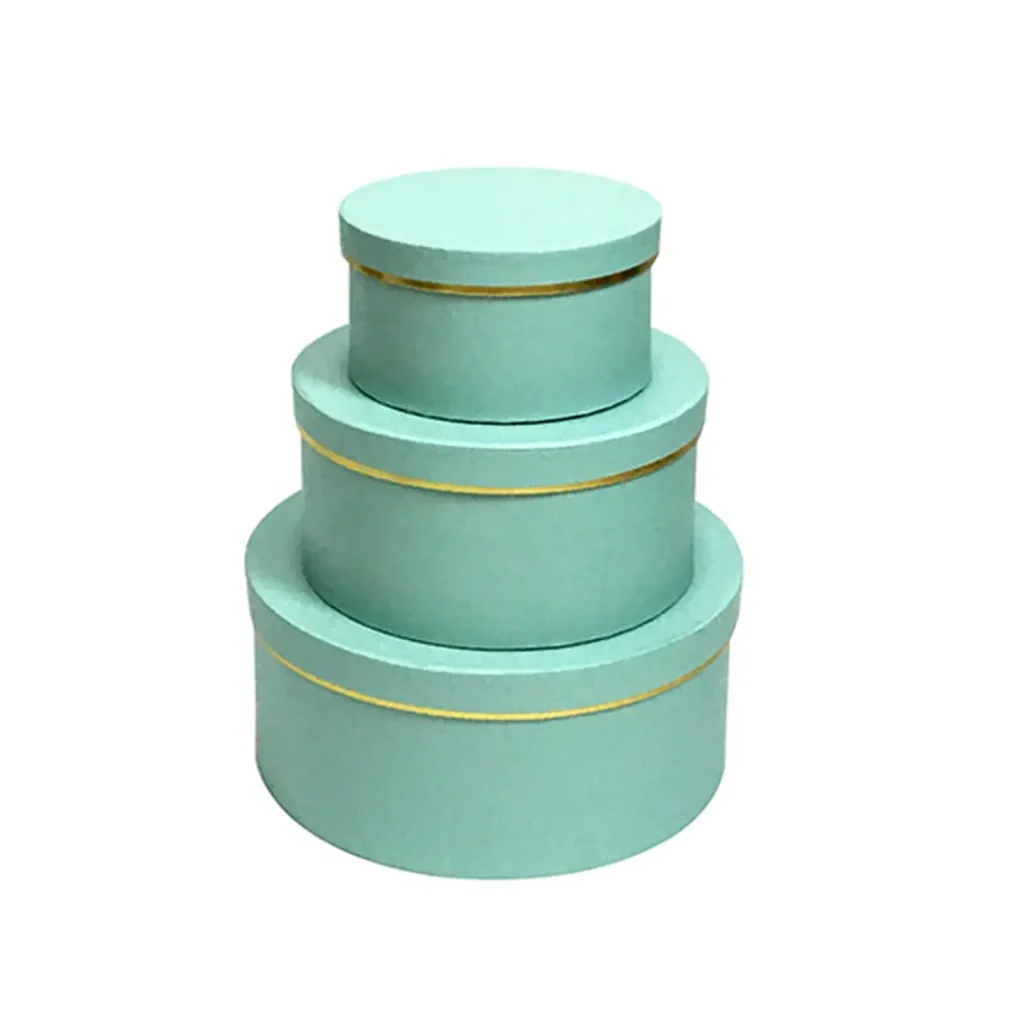
 VerpakkingsdoosRonde doos verpakkingReview Round Box Packaging as a concrete option within Packaging Box and compare finish, format and ordering fit for your brief.Bekijk product
 Etiketten en verpakkingencustomized printing Soap Packaging Film with wax folding wrapper paper for soapReview customized printing Soap Packaging Film with wax folding wrapper paper for soap as a concrete option within Labels And Packaging and compare finish,…Bekijk product
Connected options
Commercial options linked to this guide
These connected options keep the guide tied to the related product categories and core commercial choices buyers usually review before they inquire.
Common Questions Before Ordering
What should skin care packaging boxes do well?
They should protect fragile components, present the brand clearly and create enough space for ingredient, usage and barcode information without making the design feel crowded.
Are matte and soft-touch finishes popular for skin care?
Yes. They are widely used when a brand wants a clean, premium feel, but the final finish should match the product positioning and budget.
Can skin care packaging support multi-step routines?
Yes. A coordinated box system can help a cleanser, serum, cream and mask range feel connected while still differentiating each SKU.
Buyer guides
More buyer guides in the same product family
Continue comparing specifications, approval details and adjacent product choices with these related resources.
Verpakkingsdozen op maat
Ready to turn the brief into a practical next step?
Share the main dimensions, quantity, artwork status and delivery destination and HKKAYU can review the job with production reality in mind.
Wat helpt meestal als eerste
Send a cleaner starting brief
- Board structure, finish direction and insert requirements.
- Packing method, transit conditions and shelf presentation goals.
- Artwork readiness, quantity band and shipping destination.
Reader Questions
Questions Readers Ask About Skin Care Packaging Boxes Structural Styles
This guide is designed to clarify the decisions behind Skin Care Packaging Boxes Structural Styles and make the next commercial step more straightforward.
Which points does this guide cover around Skin Care Packaging Boxes Structural Styles?
Skin care packaging boxes structural styles only becomes a real comparison when the team looks at what changes in production, inspection and end use from one option to.
Which teams usually benefit from this guide on Skin Care Packaging Boxes Structural Styles?
This content is most useful for buyers comparing print methods, finishes and commercial fit before requesting pricing. It helps turn a broad topic into clearer comparisons that can support sourcing, brand review and production planning.
What should readers compare after going through this guide on Skin Care Packaging Boxes Structural Styles?
Readers usually leave with a better sense of how to compare structure, protective performance, finish quality, shipping resilience and how the pack supports the brand presentation. That makes it easier to judge which specification details matter most before pricing or artwork review.
What details should be prepared before requesting pricing for Skin Care Packaging Boxes Structural Styles?
A stronger next step usually starts with dimensions, quantity, structural style, board preference, finish direction, artwork status and shipping destination. Those details help the supplier answer with more useful guidance instead of generic assumptions.
What should happen after reading about Skin Care Packaging Boxes Structural Styles?
Once the main comparisons are clear, the next move is to gather reference samples, dimensions, artwork direction and quantity plans, then request guidance on the most suitable production setup for Skin Care Packaging Boxes Structural Styles.
