




















客製化標籤與貼紙
In-Mold Labels Design Specs, File Setup and Compliance Checklist

3 月
Custom Labels & Stickers • B2B compliance guide
In-Mold Labels Design Specs, File Setup and Compliance Checklist
Projects involving in-mold labels tend to move smoothly when the technical details are settled before the press schedule is locked. Most avoidable delays come from missing information in the artwork, unclear variable-data rules, untested material assumptions or supplier conversations that happen too…
B2B 閱讀重點
買家、採購主管或專案所有人應確認的事項
- 在取樣開始前,檢查規格的完整性、核准所有權和符合性細節。.
- 確認如何在重複訂單中控制美工、可變資料、批次細節和印刷公差。.
- 在簡報被視為可報價之前,先匹配交貨期、運送市場和相鄰的包裝元件。.
技術和合規問題通常出現在哪些地方
Compliance and technical mistakes usually begin at the specification stage. A size is assumed instead of confirmed, a data field is left to the last minute, or the artwork is approved before the material and finish route have been settled. For in-mold labels, those gaps can create costly friction because the finished result has to satisfy both visual and functional expectations. Teams that treat the project checklist seriously tend to catch issues while they are still easy to correct.
這種紀律對於管理多個利害關係人包裝的團隊特別有用。設計人員可能會專注於外觀,採購人員可能會專注於時間和成本,合規審查人員可能會專注於所需內容或可追蹤性。核對表可以讓這些優先順序同時顯現,而不會讓專案在無法解決的矛盾中向前邁進。.
美工和檔案設定檢查點
Artwork and file setup deserve more attention than many buyers expect. The layout should make room for the real production needs of the job, whether that involves barcode readability, ingredient or usage text, batch coding, and shipping durability, structural tolerances or specific inspection or readability rules. That does not mean the design has to become cluttered. It means the file should be built so the intended hierarchy survives real manufacturing conditions. Clean approvals at this stage reduce proofing delays and make supplier communication much more precise.
When a project includes barcode readability, ingredient or usage text, batch coding, and shipping durability, the file should be structured so those elements remain clear after finishing, scaling and production tolerances are considered. That may sound obvious, but it is one of the easiest areas to overlook when a team is moving quickly. Cleaner file setup at the beginning usually leads to cleaner approvals later.
材料、表面處理和性能檢查
Material and finish choices should then be checked against how the piece will actually be used. The same category label can cover very different real-world situations, which is why factors such as surface energy, moisture exposure, oil contact, and temperature swings should be reviewed in writing. When coated paper, BOPP, PP, and PET and matte lamination, gloss lamination, spot UV, and foil stamping are treated as interchangeable, production risk increases. A disciplined checklist forces the team to confirm what really matters instead of assuming that any standard stock will be acceptable.
These checks become even more important when the specification must satisfy demanding conditions such as surface energy, moisture exposure, oil contact, and temperature swings. A material that appears acceptable at a glance may become problematic once it meets the real surface, the real handling pattern or the real packing method. The checklist protects the project by making those assumptions visible before they turn into defects.
值得及早詢問的供應商問題
Supplier screening is not only about price or headline capability. A stronger checklist also asks how the supplier handles sampling, approval, tolerances, variable information, export packing and any special considerations tied to in-mold labels. HKKAYU works as a direct manufacturing partner in Shenzhen, which helps buyers discuss materials, finishing and production timing more directly. The more explicitly these points are handled, the easier it becomes to decide whether the supplier is quoting the real brief or a simplified version that may change later.
對於篩選供應商的買家來說,這個階段也揭示了生產方對風險的重視程度。供應商若能說明他們如何處理材料、核准、資料和公差問題,通常會比那些只以概括性聲明回應的供應商更有信心。實際上,這種明確性往往能預測出一旦時間表變得更苛刻時,專案會有什麼樣的表現。.
量產前的核准步驟
Approval and rollout should be treated as separate steps, even when the schedule is tight. Before mass production begins, the team should confirm dimensions, materials, finish direction, file version, coding or data logic, and any other point that would be difficult to reverse later. This step is especially valuable for buyers trying to avoid post-application label labor, labels separating from containers, harsh warehouse use, and complex molding requirements. A measured approval process is not bureaucracy for its own sake; it is often the simplest way to protect timing and budget.
Approval discipline is often what prevents a small error from reaching a large production run. When the team checks artwork version, material choice, coding logic and finish direction in a controlled way, the chance of rework drops sharply. That protects both the schedule and the budget while reducing the kind of confusion that creates post-application label labor, labels separating from containers, harsh warehouse use, and complex molding requirements.
將檢查清單轉化為更有力的專案簡介
A useful checklist ends with a practical outcome: a clearer brief, a more reliable supplier conversation and a reduced chance of avoidable production errors. For in-mold labels, that is what helps teams move toward integrated decoration, more durable branding, reduced secondary labeling steps, and cleaner container finish. The strongest projects are not the ones with the most paperwork. They are the ones where every essential decision has been made clearly enough that production can start without guesswork.
A well-used checklist is not extra paperwork layered onto the job; it is the shortest route to a dependable brief. Once the essential questions have been answered clearly, the production team can focus on execution rather than interpretation, and the buyer has a stronger basis for expecting integrated decoration, more durable branding, reduced secondary labeling steps, and cleaner container finish from the finished order.
團隊如何在不拖慢專案進度的情況下使用檢查清單
A checklist works best when it is used to answer only the questions that truly protect the project: what the finished item must withstand, what information must be printed accurately, how approval will be documented and what the supplier needs before production starts. That keeps the process efficient while still making sure the important technical details behind in-mold labels are settled clearly enough to prevent avoidable rework.
為什麼即使在熟悉的專案中,核對清單的規範也很重要
Teams sometimes relax the checklist on repeat jobs because the format feels familiar. That is exactly when hidden problems can slip through, especially if artwork, quantity, destination market or production timing has changed since the last order. For in-mold labels, a short confirmation pass protects the project from assuming that last time’s specification still answers this time’s requirements. It is a small habit that often prevents avoidable rework and keeps the rollout steadier under real deadlines.
當專案需要重複時,有哪些改變
Many buying decisions feel easier when the team looks beyond the first run. The best specification is not only the one that solves today’s problem; it is the one that can still be produced consistently when quantities change, new SKUs are added or another market version is introduced. For in-mold labels, repeatability depends on clear artwork control, stable material choices, realistic finishing expectations and a supplier conversation grounded in actual production requirements. That longer view helps turn a one-time order into a packaging standard that is easier to manage over time.
實用的下一步
Readers who have narrowed the direction can use the next conversation with HKKAYU more effectively by sharing dimensions, quantity, artwork status and the conditions the finished piece must handle. For in-mold labels, a supplier discussion becomes far more productive once the non-negotiable details are clear. That is the point where the project can move from general research into a brief that is specific enough to quote, sample and produce with confidence. A better brief not only improves the first order; it also makes repeat ordering much simpler once the project begins to scale. It also gives internal stakeholders a clearer basis for sign-off before materials, artwork and timing are committed. That combination of clarity, repeatability and easier approval is usually what turns research into a project that can be executed with confidence.
Next pages to open before requesting a quote
These links keep the supporting guide connected to its main silo, the closest core commercial option and the quote flow.
相關產品
本指南有助於說明的產品
使用這些產品選項,從研究進入與指南連結的實際格式、結構和元件選項。.
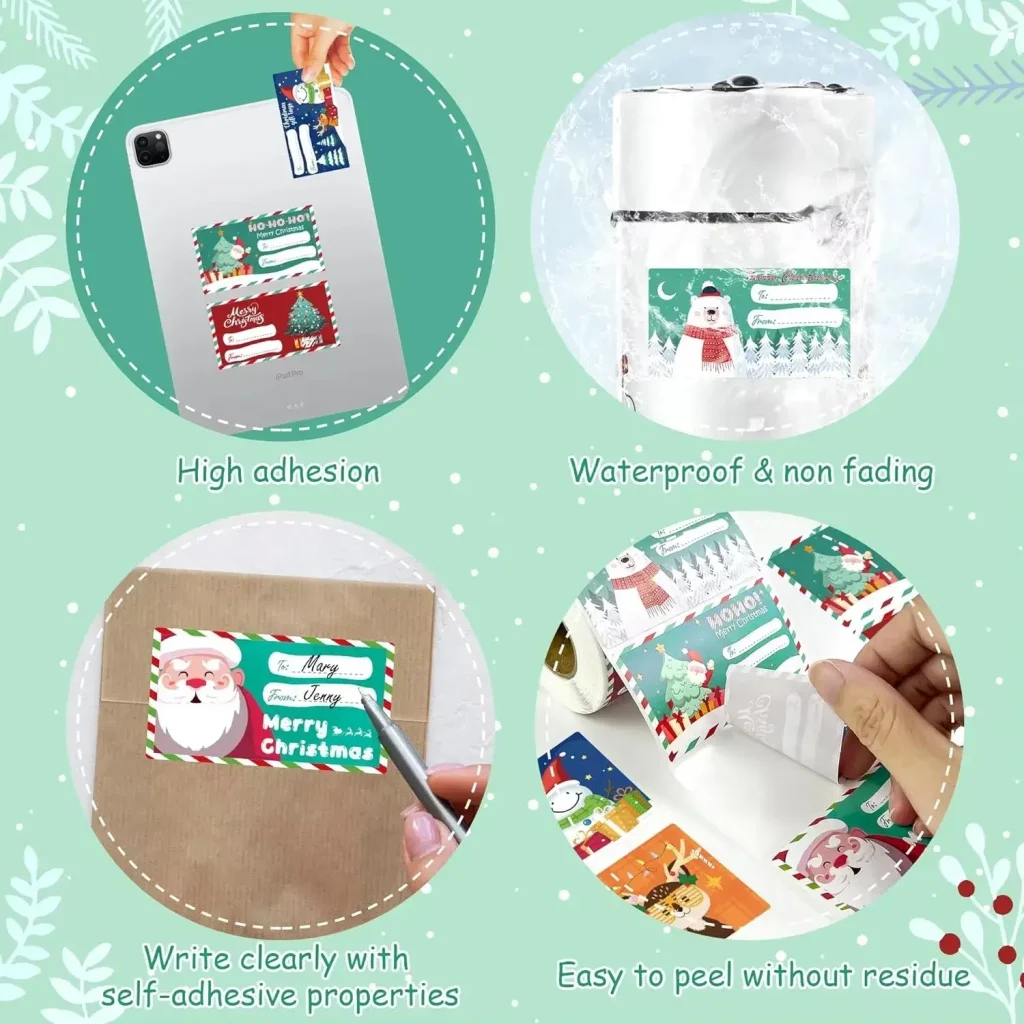 客製化標籤卷散裝 500PCS 聖誕防水自訂印刷禮品包裝貼紙標籤標籤用於聖誕禮物裝飾Review Bulk 500PCS Christmas Waterproof Custom Printed Gift Wrapping Packaging Sticker Label Tag for Christmas Presents Decorations 為 Custom Label 內的具體選項。檢視產品
 標籤和貼紙浮雕貼紙檢視壓紋標籤作為標籤和貼紙的具體選項,並比較表面處理、格式和訂購是否符合您的需求。.檢視產品
 標籤和貼紙自訂汽車貼紙印刷臨時牌照、臨時保護標記、3D 轉印貼紙、戶外磁性貼紙、金屬 UV 聚酯 PVC 乙烯基標籤評論 自訂車貼印刷 臨時車牌、臨時保護標記、3D 轉印貼紙、戶外磁性貼紙、金屬 UV 聚酯 PVC 乙烯基標籤...檢視產品標籤和貼紙防水自訂 Pvc 引擎機油護膚品模內標籤化學品 IML 乙烯基貼紙清潔劑食品瓶標籤檢視 防水 自訂 Pvc 引擎機油 護膚品 模內標籤 化學品 IML 乙烯基貼紙 清潔劑 食品瓶標籤 作為 Labels 內的具體選項...檢視產品
連線選項
與本指南連結的商業選項
這些相關的選項讓指南與相關的產品類別和核心商業選擇緊密連結,買家在詢問之前通常會先檢視這些選項。.
買家常問的問題
What makes in-mold labels different?
In-mold labels are applied during the molding process rather than after the container is made. That creates a more integrated result and can reduce the need for a separate labeling step.
When are in-mold labels a good fit?
They are often chosen for rigid containers, tubs, buckets and other molded packaging where durability, washability or a fully integrated look matters.
Do in-mold labels require special production planning?
Yes. Mold process, material compatibility, label thickness and artwork position all need to align with the molding method for the result to be reliable.
購買指南
同一產品系列中的更多買家指南
利用這些相關資源,繼續比較規格、核准細節和相鄰的產品選擇。.
讀者問題
Questions Readers Ask About In-mold Labels Design Specs
This guide is designed to clarify the decisions behind In-mold Labels Design Specs and make the next commercial step more straightforward.
Which points does this guide cover around In-mold Labels Design Specs?
Use Case / ComplianceIn-Mold Labels Design Specs, File Setup and Compliance ChecklistProjects involving in-mold labels tend to move smoothly when the technical details are settled before the press.
Who should read this guide on In-mold Labels Design Specs?
This content is most useful for brand teams, sourcing teams and packaging buyers who want practical context before ordering. It helps turn a broad topic into clearer comparisons that can support sourcing, brand review and production planning.
How can this guide support decision-making around In-mold Labels Design Specs?
Readers usually leave with a better sense of how to compare adhesion, print sharpness, finish feel, application speed and long-term appearance on the target surface. That makes it easier to judge which specification details matter most before pricing or artwork review.
What details should be prepared before requesting pricing for In-mold Labels Design Specs?
A stronger next step usually starts with size, quantity, application surface, adhesive needs, finish preference, artwork status and delivery details. Those details help the supplier answer with more useful guidance instead of generic assumptions.
What is the practical next step once In-mold Labels Design Specs is understood?
Once the main comparisons are clear, the next move is to gather reference samples, dimensions, artwork direction and quantity plans, then request guidance on the most suitable production setup for In-mold Labels Design Specs.
